
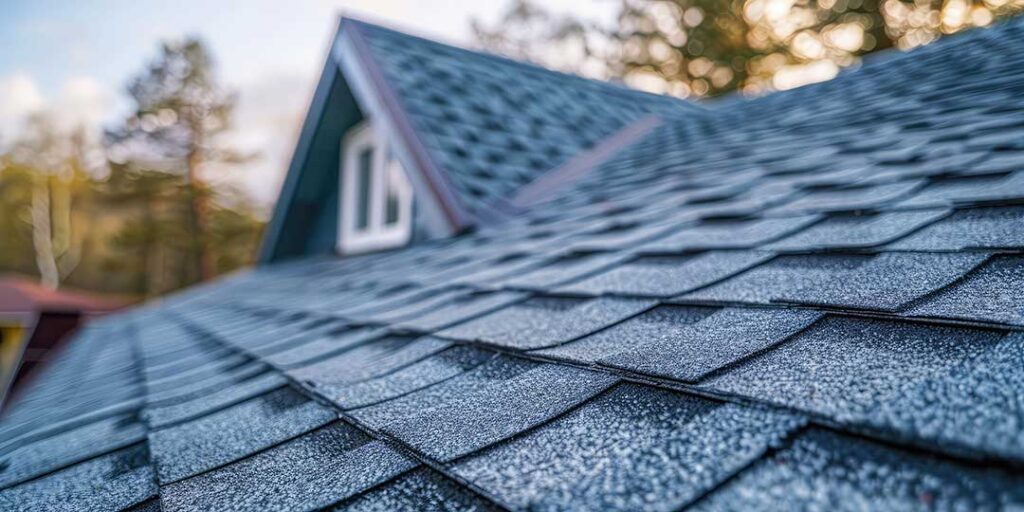
Solar panels can work well on many homes in East Rochester, NY, but the condition, age, shape, and drainage of the roof should be evaluated before panel placement is planned. A solar array is expected to remain in service for decades, so installing it over a roof that may need replacement soon can create avoidable cost and disruption.
Should the roof be replaced before solar panels are installed?
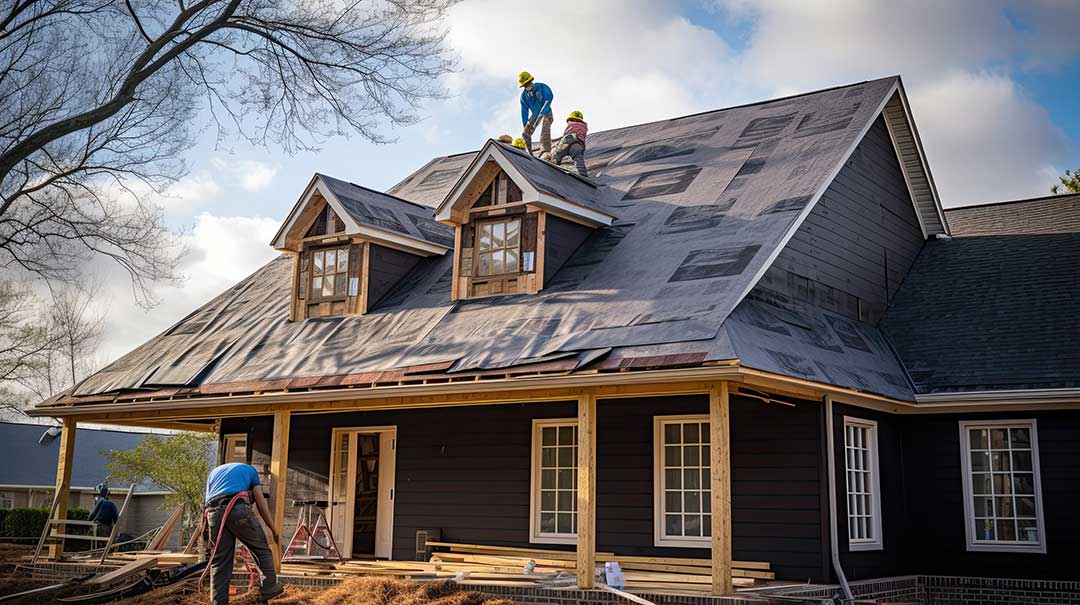
Usually, a roof with limited remaining service life should be repaired or replaced before panels are added. Solar equipment may last 25 years or more, while asphalt roofing commonly requires attention sooner depending on installation quality, ventilation, weather exposure, and maintenance history.
A roof does not have to be new to support solar panels. It should, however, be:
- Free of active leaks
- Structurally sound
- Properly flashed around penetrations
- Able to support the added dead load and wind forces
- Accessible for safe installation and future maintenance
In the local climate, freeze-thaw cycles, snow, ice, wind, and heavy summer storms can expose weaknesses that may not be obvious from the ground. Missing shingles, soft sheathing, sagging areas, recurring leaks, or deteriorated flashing deserve attention before an array is designed.
If roof replacement may be needed within the next several years, installing panels first can mean removing and reinstalling them later. That work may also require temporary electrical disconnection and additional permitting.
How much weight do solar panels add?
A typical rooftop solar system adds more than the weight of the panels alone. Mounting rails, attachments, wiring, and related equipment also contribute to the load. The roof framing must safely handle both the permanent weight and environmental forces such as snow accumulation and wind uplift.
Most sound residential roofs can be designed for solar, but the answer depends on the individual structure. Older homes, additions, porches, shallow roof sections, and areas with altered framing may require closer review. Solar installers and building officials generally need structural information showing that the roof and attachment system are suitable.
The question is not simply whether the roof can hold panels on a clear day. It is whether the full roof assembly and its connections perform safely during winter conditions and severe weather.
Which roof surfaces are most suitable?
Solar production depends on roof orientation, pitch, shading, and available uninterrupted area. South-facing roof sections are often favorable, but east- and west-facing surfaces can also produce useful energy. A roof does not need to face one exact direction to be considered.
The following conditions can affect production:
- Mature trees or nearby structures that cast shadows
- Dormers, chimneys, plumbing vents, and roof valleys
- Multiple roof planes with different orientations
- Steep slopes that complicate access
- Snow retention concerns
- Limited space near ridges, eaves, and roof edges
Snow usually slides or melts from panels more readily than from some roofing surfaces, but panels are not a substitute for snow-load planning. Roof design, array layout, access paths, and local code requirements still matter.
A shading analysis should account for seasonal changes. A tree that allows sunlight through in winter may block more of the array during summer, when daylight hours are longer. Trimming or removing vegetation may also affect drainage, wildlife habitat, and property appearance, so it should not be treated as an automatic solution.
Can solar panels cause roof leaks?
Solar panels do not inherently cause leaks, but roof penetrations must be designed and installed correctly. Mounting points typically require flashing, sealants, and attachment methods compatible with the roofing material. Poorly placed fasteners, damaged shingles, inadequate flashing, or incompatible sealants can create problems.
The roof should be inspected after installation and periodically during routine maintenance. Warning signs include:
- Water stains in the attic or upper-floor ceilings
- Damp insulation or musty odors
- Rust around fasteners or metal components
- Lifted shingles near mounting points
- Loose wiring or visibly damaged conduit
Solar equipment can make certain roof areas harder to inspect. Keeping installation records, photographs of covered roof sections, and a clear layout of attachment points can help with future maintenance.
What should homeowners know about snow, ice, and roof drainage?
Panels can change how snow and water move across a roof. Snow may slide suddenly from a sloped array, while meltwater can refreeze near eaves during cold conditions. Array placement should not block gutters, downspouts, valleys, attic ventilation, or required emergency access paths.
Ice dams are usually related to heat loss, attic insulation, ventilation, and roof geometry rather than solar panels alone. However, an array may make some roof sections more difficult to access during inspection or repair. A well-planned installation should preserve drainage and maintain the roof’s ventilation strategy.
The New York State solar guidance addresses rooftop access and ventilation requirements for photovoltaic systems, including clearances and pathways needed for safety and firefighting. These requirements are part of the design and inspection process, not optional cosmetic preferences. ([nyserda.ny.gov](https://www.nyserda.ny.gov/All-Programs/Clean-Energy-Siting-Resources/Solar-Guidebook?utm_source=openai))
Are permits required for rooftop solar?
Homeowners should expect permits and inspections for a rooftop solar installation. New York State guidance identifies building, electrical, structural, and fire-safety requirements, while the local authority determines how applications are submitted and inspected.
As of December 31, 2025, New York’s 2025 Uniform Code and Energy Conservation Construction Code are fully effective statewide. Local permitting procedures may still vary, so project documents should identify the applicable code edition and the permits required for the property. ([dos.ny.gov](https://dos.ny.gov/division-building-standards-and-codes-frequently-asked-questions?utm_source=openai))
A complete application commonly addresses:
- Roof and mounting details
- Structural capacity
- Electrical equipment and utility connection
- Array setbacks and rooftop access
- Firefighter pathways
- Equipment labels and shutoff provisions
- Final inspection requirements
Permit approval does not replace a roof evaluation. It confirms that the submitted work meets applicable requirements; it does not guarantee that an older roof is a good candidate for panels.
What about local utility rules and financial incentives?
Electric utility interconnection requirements, net-metering or credit arrangements, and available incentives can change. NYSERDA’s NY-Sun program provides incentives through participating contractors, with amounts and availability dependent on program rules, location, project size, and funding status. ([nyserda.ny.gov](https://www.nyserda.ny.gov/All-Programs/NY-Sun/Contractors/Dashboards-and-incentives?utm_source=openai))
New York also offers a state tax credit and may provide a real-property-tax exemption for qualifying solar improvements, although local government participation and individual tax circumstances can affect eligibility. Current program terms should be verified before financial projections are made. ([nyserda.ny.gov](https://www.nyserda.ny.gov/All-Programs/NY-Sun/On-site-Solar/Homes/Paying-for-Solar?utm_source=openai))
A realistic evaluation should compare expected production with household electricity use, roof replacement timing, financing costs, insurance considerations, and likely maintenance—not just the advertised system size.
What if the roof is not suitable for panels?
A roof may be unsuitable because of age, shading, structural limitations, complicated geometry, or insufficient usable area. That does not automatically rule out renewable electricity. Possible alternatives may include a ground-mounted system where permitted, participation in community solar, or postponing installation until roof work is complete.
The practical priority is to avoid covering defects. Solar panels can reduce electricity purchased from the grid, but they cannot correct poor drainage, inadequate ventilation, deteriorated sheathing, or an aging roofing system. Planning the roof and solar system together generally produces a safer, more maintainable result for area households.
