
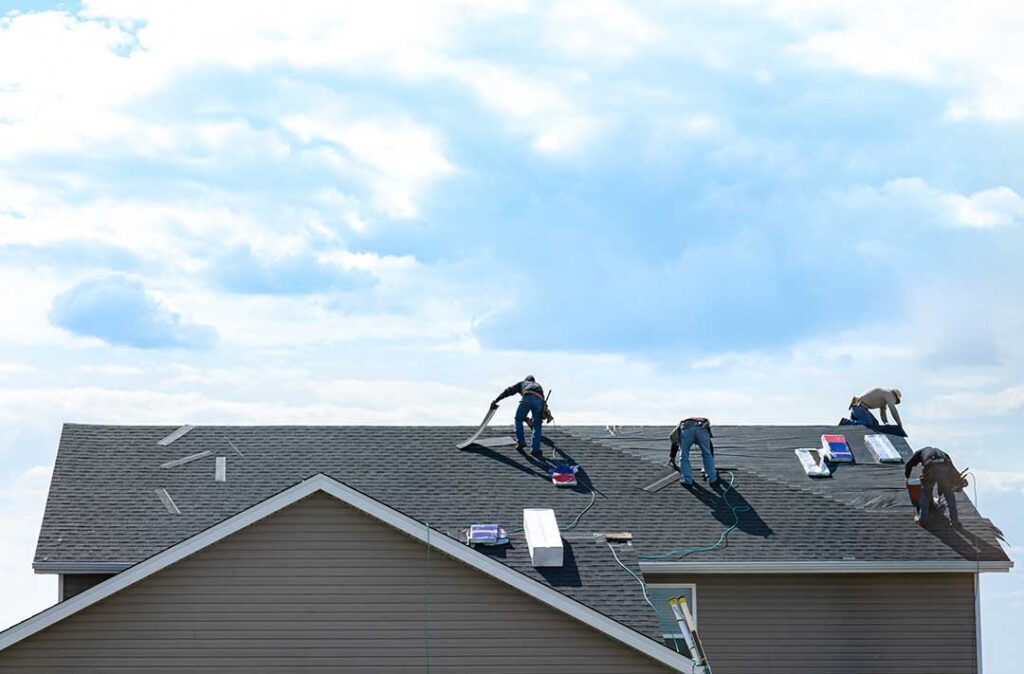
Roof moss and algae are common concerns for homeowners in East Rochester, NY, especially where roofs stay damp, shaded, or covered by nearby tree debris. Although surface growth may begin as a cosmetic issue, it can eventually retain moisture, obscure roof damage, and shorten the useful life of roofing materials.
Understanding the difference between moss and algae helps determine the safest response.
What is the difference between roof moss and algae?
Moss is a small, rootless plant that forms thick green clumps or mats. Algae usually appears as dark green, gray, or black streaks and tends to spread across the surface without creating the same raised growth.
Moss is generally more physically disruptive because it can lift or separate shingle edges as it expands. Algae is usually less damaging by itself, but dark growth can hold moisture against roofing materials and may signal that the roof remains damp for long periods.
Lichen, which may also appear on roofs, is a combination of a fungus and an algae-like organism. It can attach firmly to shingles and is often more difficult to remove without disturbing the roofing surface.
Why do roofs in the area develop moss and algae?
Moisture and limited sunlight are the main conditions that encourage growth. Roof sections beneath overhanging branches, beside taller structures, or on slopes that receive little direct sun often dry more slowly after rain, snow, or overnight condensation.
Other contributing factors include:
- Leaves, needles, and organic debris collecting on the roof
- Clogged or slow-draining gutters
- Poor airflow around the roof surface
- Shaded roof slopes facing away from the strongest sunlight
- Persistent humidity during spring and fall
- Snow remaining longer on shaded sections
- Aging shingles with rougher, more weathered surfaces
The freeze-thaw cycles common in the region can make existing roof problems more noticeable. Moisture held beneath moss or in damaged shingles may freeze, expand, and contribute to cracking, lifting, or loss of surface granules.
Is moss or algae an immediate roofing emergency?
Usually, no. A small amount of algae staining does not normally require emergency action. Moss deserves closer attention, particularly when it is thick, spreading, or growing along shingle edges.
Prompt evaluation is more appropriate if any of the following conditions are present:
- Shingles are lifted, curled, cracked, or missing
- Moss is growing beneath shingle edges
- Water is entering the attic or upper floors
- The roof deck feels soft in an accessible area
- Gutters contain heavy organic buildup
- Interior ceilings show water stains or bubbling paint
- Growth is concentrated around roof penetrations, valleys, or flashing
Moss and algae are not reliable indicators of the roof’s remaining service life. A roof may have surface staining but remain sound, while a relatively clean roof may have hidden flashing or ventilation problems.
How should a homeowner inspect the problem?
A ground-level inspection can identify the general extent of growth without creating unnecessary risk. Look for dark streaks, green patches, shingle distortion, blocked gutters, and tree branches touching the roof.
Avoid walking on a roof unless it is specifically designed and safe for foot traffic. Asphalt shingles become slippery when wet, and moss makes them even more hazardous. Walking can also loosen granules or damage brittle, aging shingles.
From inside the attic, check for damp insulation, daylight around roof penetrations, musty odors, stained wood, or evidence of past leaks. These signs do not prove that moss caused the problem, but they indicate that moisture should be investigated.
Can moss and algae be removed with a pressure washer?
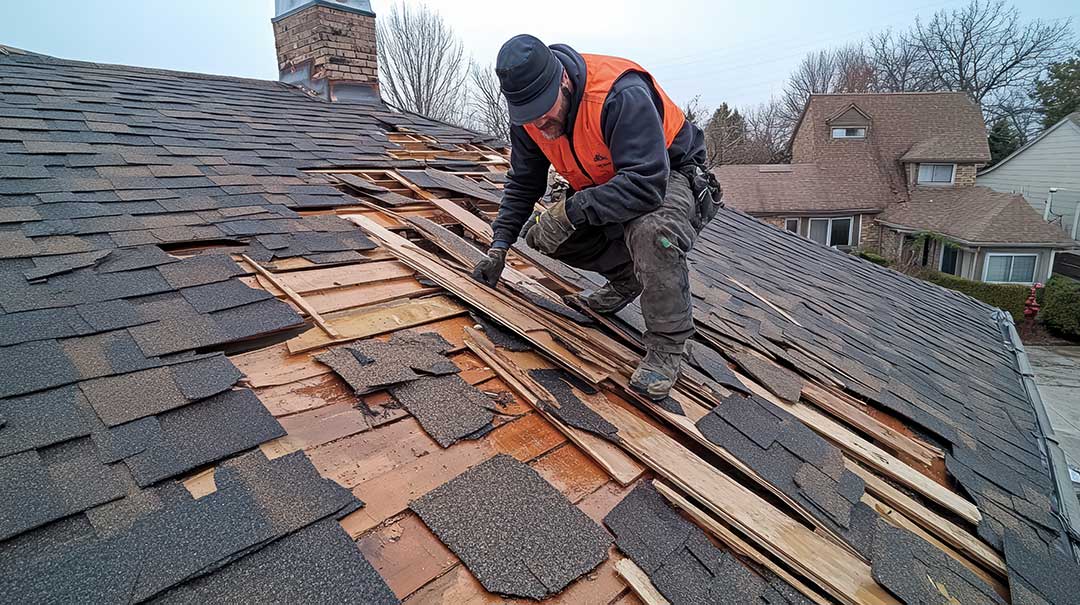
Pressure washing is generally a poor choice for asphalt shingles. The force can remove protective granules, expose the fiberglass mat, loosen shingle tabs, and drive water beneath the roofing material. It may make the roof look cleaner temporarily while causing damage that is not immediately visible.
Scraping moss aggressively can create similar problems. Shingles can tear when pulled, brushed, or pried, especially after years of exposure to cold, heat, and weather.
Safer cleaning methods depend on the roofing material and the amount of growth. In many cases, a carefully applied roof-safe treatment can weaken moss and algae so that natural weathering removes it gradually. The product must be compatible with the roof, surrounding landscaping, gutters, and any nearby water source. Application instructions should be followed closely, and runoff should not be allowed to harm plants or enter drainage systems.
What can reduce future growth?
Long-term control focuses on reducing shade, moisture, and debris rather than repeatedly removing the visible growth.
Practical steps include:
- Trim branches that rest on or heavily shade the roof, while avoiding unsafe tree work.
- Keep gutters and downspouts clear so water moves away from the roof and walls.
- Remove accumulated leaves and twigs before they stay wet for extended periods.
- Check that attic ventilation is functioning as intended.
- Keep roof valleys and drainage paths free of organic buildup.
- Watch shaded roof slopes more closely during spring and fall inspections.
Copper or zinc strips are sometimes used near roof ridges because rainwater can carry small amounts of metal down the surface, making conditions less favorable for algae and moss. Their effectiveness varies, and they should not be installed by puncturing or improperly altering the roofing system. They are also not a substitute for correcting drainage, shade, or ventilation problems.
Are chemical treatments safe for every roof?
No. A treatment that is acceptable for one roofing material may damage another. Asphalt shingles, wood shakes, metal panels, tile, and membrane roofing have different cleaning requirements.
Some household cleaners can discolor roofing, corrode metal components, damage vegetation, or affect nearby siding. Chlorine-based products may also create runoff concerns. Even a roof-safe product can cause problems if applied too heavily, left on too long, or used during windy weather.
Before using any treatment, identify the roofing material and review the manufacturer’s care guidance if it is available. Protect plants and outdoor surfaces from runoff, and do not mix cleaning chemicals.
When is professional assessment genuinely necessary?
Outside help is warranted when the roof is steep, wet, fragile, difficult to access, or showing signs of leakage. It is also sensible when moss has grown beneath shingles or when cleaning would require walking across an aging roof.
A qualified assessment should distinguish between removable surface growth and roofing damage that requires repair. It should also examine flashing, valleys, gutters, ventilation, and areas where water may be collecting.
For local households, seasonal timing matters. A visual check in late spring can reveal damage caused or exposed by winter weather, while another inspection in early fall can identify clogged drainage and overhanging vegetation before the wettest and coldest months arrive. The goal is not to make every roof look new; it is to keep moisture from remaining trapped against the roofing system and to address damage before it becomes an interior leak.
