
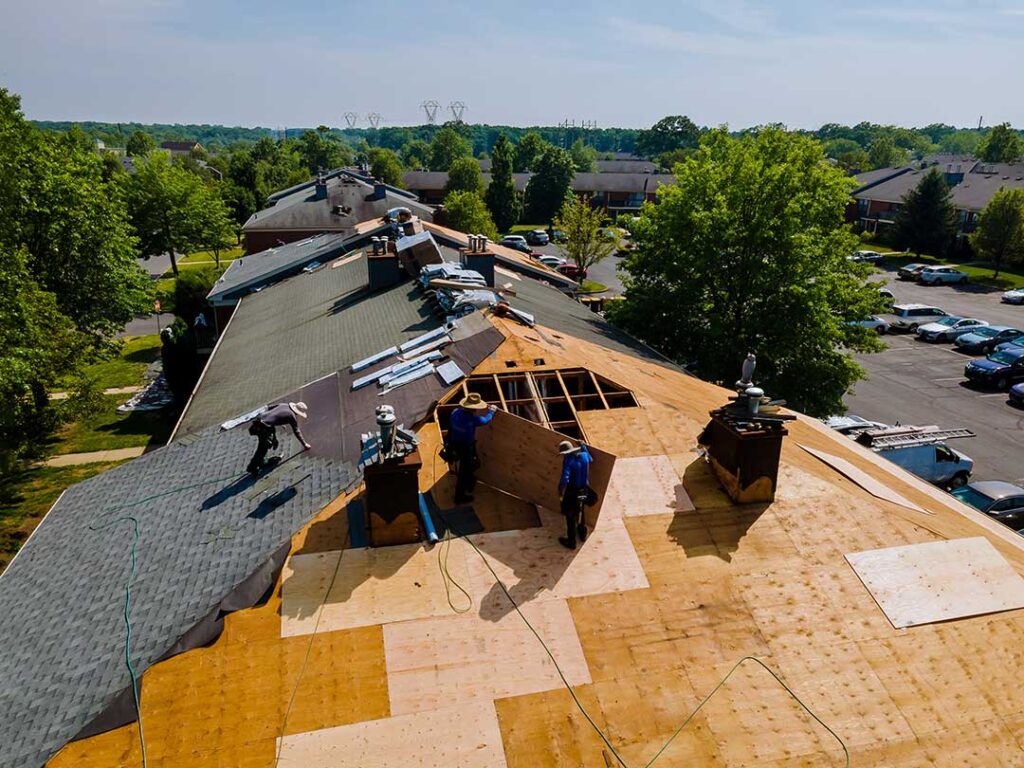
What Is the Average Lifespan of a Roof in East Rochester, NY?
Most residential roofs in East Rochester typically last between 15 and 30 years, but actual lifespan depends greatly on the type of roofing material, craftsmanship, and the demands of local weather. Asphalt shingles, the most common roofing in the area, usually last 15–25 years. Other materials like metal or slate can reach or exceed 40 years when installed and maintained well.
Factors specific to East Rochester’s climate—including heavy snowfalls, ice, wind, and seasonal temperature changes—play a major role in how long a roof remains in good shape. Homes here see more weather stress than those in milder climates.
What Are the Most Common Roofing Materials and How Long Do They Last?
- Asphalt Shingles: By far the most frequent choice for East Rochester, asphalt shingles usually last 15–25 years. Architectural shingles, which are thicker and more layered than basic three-tab options, can approach the upper end of this range.
- Metal Roofing: Increasingly used on both new construction and re-roofing, metal options like steel or aluminum can last 30–50 years or more. Their durability makes them highly resistant to wind and snow buildup.
- Slate: While not as widespread due to weight and cost, slate roofs may last 50–100 years or more if properly maintained. Many older, historic homes in the region retain their original slate for decades.
- Wood Shingles/Shakes: Less common in East Rochester due to heavy precipitation and humidity, wood roofing may last 20–30 years in ideal conditions but is more prone to moss, mold, and rot.
Local households often need to choose materials that will not just endure time, but also meet building codes and withstand the city’s freeze-thaw cycles and winter storms.
How Does East Rochester’s Weather Impact Roof Longevity?
Roofs here contend with unique challenges, including:
- Rewarding winters that can deposit feet of snow, putting significant weight on roofing structures.
- Freeze-thaw cycles that can cause small leaks or cracks in shingles to widen over time.
- Summer heat and direct sun exposure, which slowly degrade roofing materials.
Snow and ice that linger on roofs may speed up shingle aging. Local residents often notice “ice damming,” where meltwater gets trapped and refreezes at the roof’s edge, sometimes causing water to back up under shingles and into the home. Regular snow removal from the roof and proper attic insulation can minimize this risk and prolong roof life.
What Can Shorten a Roof’s Lifespan in the Area?
Beyond natural aging, several factors can cause local roofs to wear out faster:
- Inadequate Attic Ventilation: Poor ventilation allows heat and moisture to build up, which can warp decking and aged shingles from underneath.
- Clogged Gutters: When gutters aren’t kept clear, water can back up and seep under shingles or flashings, accelerating rot and damage along eaves.
- Overhanging Trees: Limbs that drop leaves and branches add organic debris, contribute to moss growth, or physically damage shingles during storms.
- Historical Repairs and Workmanship: Roofs with partial or patchy past repairs may have mixed areas of new and old materials, leading to uneven wear.
Are There Visible Signs a Roof Is Near the End of Its Life?
Homeowners can spot early warning signs, such as:
- Curling, cracked, or missing shingles
- Shingle granules piling up in gutters
- Dark patches or “bald” spots where granules have worn away
- Sagging areas or persistent ice dams
- Stains or moisture on attic ceilings after rain or snowmelt
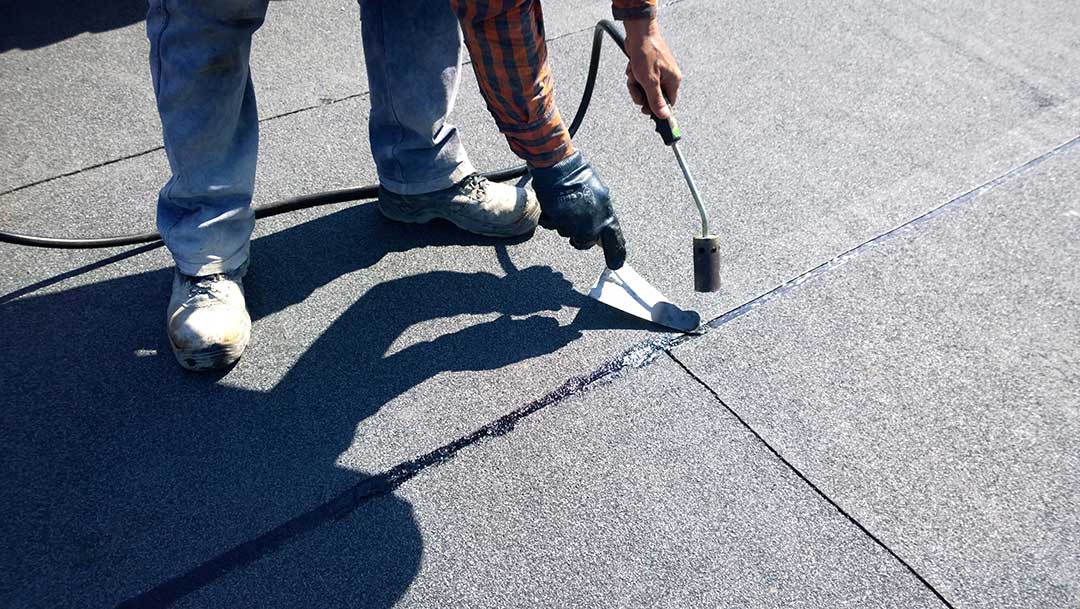
Ignoring these signals can lead to hidden leaks, insulation damage, or mold growth inside the home.
How Can Area Homeowners Maximize Their Roof’s Lifespan?
The lifespan of a roof in East Rochester can be extended with regular attention:
- Clear debris from gutters and downspouts, especially before winter and after storms.
- Trim back tree branches that could scrape or drop debris onto the roof.
- Check attic ventilation and add insulation as needed to prevent ice dams and overheating.
- Visually inspect the roof from the ground at least twice a year for damaged shingles, flashing, or fascia.
- Address small repairs before they become major problems, such as replacing missing shingles or fixing flashing around chimneys and vents.
Winters in the city are especially tough on roofs. Homeowners should be particularly vigilant after ice storms or heavy snowfall to address problems early.
Is Roof Replacement the Only Option for an Older Roof?
Not always. Many local roofs can be repaired if problems are addressed promptly. Replacing only the damaged areas or adding protective sealant may extend usability by several years, especially for newer roofs with isolated trouble spots. However, widespread shingle failure, ongoing leaks, or visible sagging often indicate the need for full replacement.
Technicians following safety guidelines should handle repairs involving significant heights, electrical, or structural hazards. Proper permits and compliance with municipal building codes are also necessary for major re-roofing projects.
