
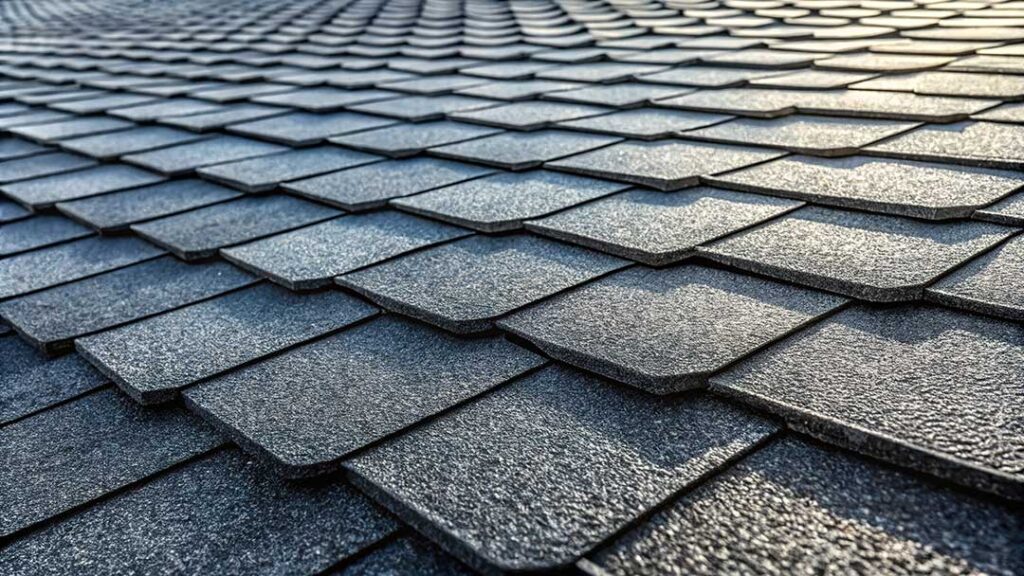
Why Does Seasonal Roof Maintenance Matter in East Rochester, NY?
Seasonal roof maintenance helps protect homes in East Rochester from the area’s changing weather, from heavy winter snow to spring rain and summer heat. Regular attention prevents small problems from becoming costly repairs. In the Northeast, where freeze-thaw cycles, leaf buildup, and temperature swings are common, keeping a consistent maintenance routine can extend roof life and reduce emergency issues.
What Should Be Checked Each Season?
Every season presents unique roof care challenges. Reviewing a few specific areas as the weather changes can help catch issues early.
Spring: How Can You Recover from Winter and Prepare for Rain?
After winter snow and ice, spring reveals any hidden problems and brings increased rainfall. Begin by inspecting:
- Shingles for cracks, curling, or missing spots caused by freeze-thaw cycles
- Gutters for debris left by melting snow, blown-in leaves, and ice
- Flashing around chimneys, vents, and skylights for looseness or rust
- Moss or algae growth encouraged by persistent dampness
Many area residents are surprised to find that clogged gutters contribute to water damage inside attics and along exterior walls. Checking attic insulation and ventilation during spring is often overlooked, but can minimize heat loss in future seasons and prevent mold growth caused by trapped moisture.
Summer: What Should Be Watched for in Warm Weather?
Summer warmth can dry out roofing materials and hide subtle damage. Use clear, dry days to:
- Look for signs of sun damage, such as brittle or faded shingles
- Remove debris like pine needles, branches, and leaves from the roof surface and gutters
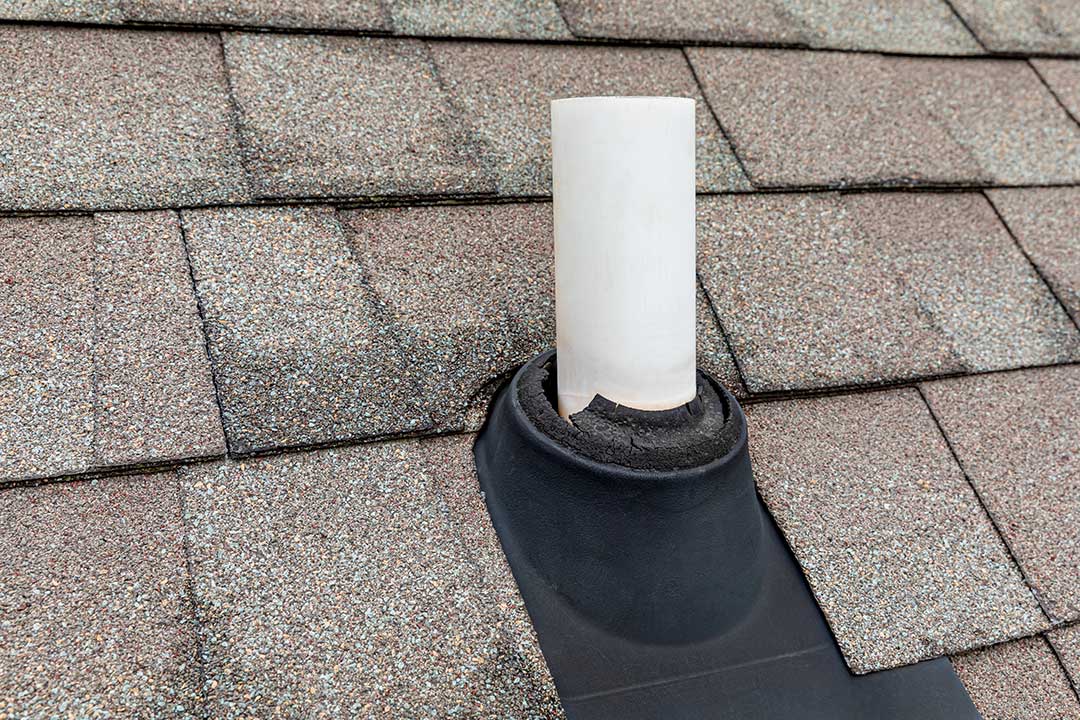
- Examine seals around vents and pipes, which may deteriorate in direct sunlight
- Make sure attic ventilation is clear; excessive heat buildup can damage roofing from below
Residents occasionally assume roof problems only arise during storms or harsh seasons, but ultraviolet exposure and local temperature spikes in the city can wear out materials steadily each summer.
Fall: Why Is Leaf and Debris Removal Critical?
Falling leaves and increased rain are signature fall challenges in East Rochester. A focus on cleaning and preventative care reduces wintertime risks. Maintenance steps include:
- Clearing all leaves and debris from gutters, downspouts, and roof valleys
- Inspecting for loose or missing shingles before icy weather returns
- Checking flashing and caulking for signs of aging or cracks
- Ensuring attic vents are not blocked by blown-in debris
Neglecting gutters leads to ice dams in winter, where melting snow refreezes at the edge, forcing water under the roof. Local households with mature trees especially benefit from extra attention to leaf removal before winter arrives.
Winter: What Roof Tasks Are Safe and Sensible?
During winter, roof maintenance focuses on safety and snow management rather than hands-on repair. Heavy snow and ice buildup are common in the community. Practical tasks include:
- Watching for ice dam formation along roof edges
- Safely removing excessive snow with a roof rake from the ground (never climb during icy conditions)
- Monitoring homes for leaks, water stains, or damp spots in attics or upper rooms
Clearing heavy snow is critical if areas of the roof sag or creak, as this signals structural stress. For safety and building code compliance, large or multi-story homes should use professional snow removal only if the job cannot be done from the ground.
Which Areas Are Often Missed in a Homeowner’s Inspection?
Certain roof features are frequently overlooked by residents:
- The back edge of roof sections not visible from the street
- Small protrusions like attic fan vents or satellite dish mounts
- Sofit and fascia boards under roof edges, where paint may peel and allow water entry over time
These spots can allow slow leaks that escape notice until drywall or insulation is damaged.
How Can Roof Life Be Extended in East Rochester?
Regular, gentle cleaning and consistent seasonal attention help roofs last longer, especially in humid or snowy climates. Additional strategies that benefit local homes include:
- Trimming back tree limbs that overhang roofs to limit debris and moss
- Using a garden hose (never a power washer) to clear gutters and spot-check for leaks
- Storing a basic visual checklist to mark off each season’s tasks
Homeowners sometimes believe only older roofs need regular checks, but newer materials can also fail early if left untreated through harsh Northeast seasons.
What Are Signs You Should Pause and Seek Expert Advice?
Even though most seasonal upkeep can be handled by homeowners, it’s wise to consult local building codes and weather alerts if:
- Roof damage exposes decking, or there is widespread loss of shingles
- Persistent leaks or water stains appear that are not resolved through regular maintenance
- Ice buildup places obvious stress on the structure
Certain repairs, like dealing with electrical lines or mold, fall outside routine homeowner care and should be addressed with caution for personal and household safety.
