
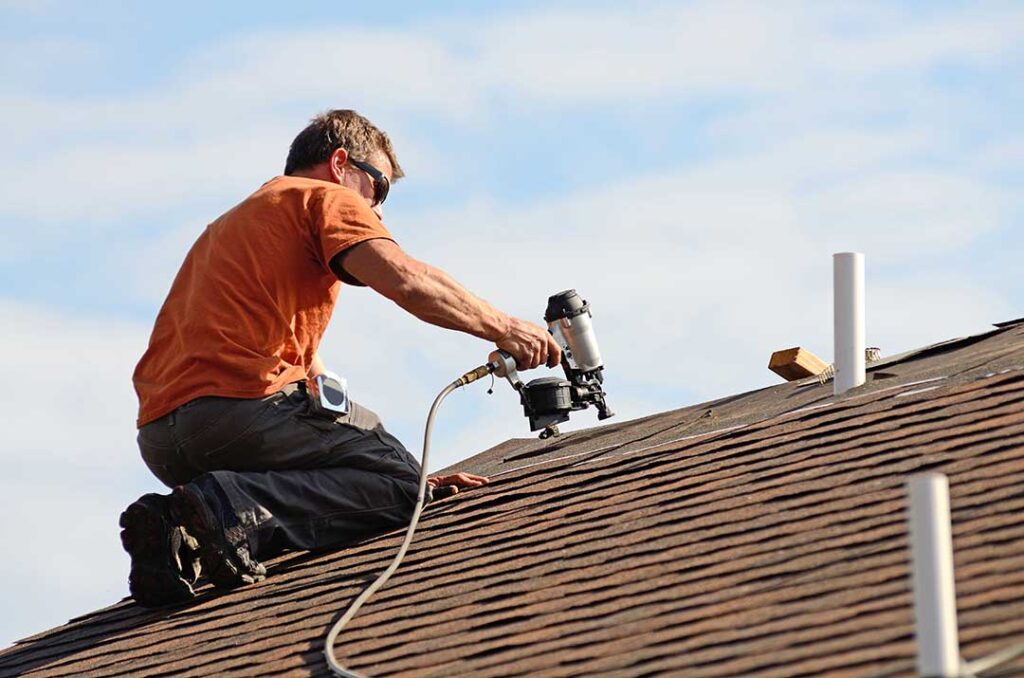
Roof inspections are easiest to overlook when there is no obvious leak. In East Rochester, NY, however, seasonal weather can place stress on roofing materials long before water appears indoors. The most useful inspection schedule combines routine checks with inspections after severe weather, before major home projects, and whenever warning signs develop.
How often should a roof be inspected?
For many homes, a roof inspection every one to three years is a reasonable maintenance interval, with more frequent checks for older roofs or roofs exposed to difficult conditions. A routine inspection can identify loose flashing, damaged shingles, blocked drainage, early moss growth, and other problems while repairs are usually smaller and easier to manage.
The right interval depends on several factors:
- The age and material of the roof
- Previous leaks or storm damage
- The condition of flashing around chimneys, vents, and skylights
- Tree branches near the roof
- The amount of snow, ice, wind, and rainfall the roof experiences
- Whether the attic has adequate ventilation and insulation
- Any recent remodeling, solar work, or exterior construction
A newer roof may not need the same level of attention as an older one, but “new” does not mean “maintenance-free.” Installation details, weather exposure, and drainage conditions still affect performance.
When is the best season for a routine inspection?
Late spring is often a practical time for a routine inspection because winter conditions have passed and the roof can be checked for damage caused by snow, ice, freezing temperatures, and strong winds. This timing also allows homeowners to address concerns before the heavier rain and thunderstorms that can occur during the warmer months.
An early fall inspection can also be useful. It provides an opportunity to check the roof, gutters, attic, and flashing before cold weather arrives. Small defects that seem manageable during dry weather can become more serious when repeated freeze-thaw cycles enlarge cracks or allow water to enter beneath roofing materials.
A seasonal inspection does not need to occur twice every year for every property. For many households, one carefully timed inspection is sufficient unless the roof is older, has a history of problems, or is surrounded by trees.
Should a roof be inspected after a storm?
Yes. A roof should be checked after severe wind, hail, heavy rain, or unusually wet snow, especially if nearby trees have lost branches. Some storm damage is visible from the ground, but other problems may involve lifted shingles, damaged flashing, punctures, or water entering beneath the surface.
After a significant storm, look for:
- Shingles that are missing, curled, cracked, or shifted
- Granules collecting in gutters or near downspouts
- Bent or detached metal flashing
- Fallen branches or debris resting on the roof
- Water stains on ceilings, walls, or attic framing
- Damp insulation or a musty attic odor
- Gutter sections pulling away from the house
- Daylight visible through the roof deck from inside the attic
Safety comes first. Walking on a wet, icy, steep, or damaged roof can create a serious fall hazard. A ground-level check and an attic check are safer starting points. If there is active leaking, exposed electrical equipment, major structural damage, or a large fallen limb, the area should be treated as hazardous until it can be evaluated safely.
What roof warning signs mean an inspection should happen sooner?
Certain signs justify an inspection even if the regular maintenance date is months away. The most obvious is a leak, but water may travel along rafters or roof decking before appearing directly below the original entry point. A ceiling stain should therefore be treated as evidence of a roof or building-envelope problem, not merely a cosmetic mark.
Other early warning signs include:
- Shingles with dark patches, exposed underlayment, or missing sections
- Repeated leaks in the same area
- Rusted or separated flashing
- Sagging roof lines or visibly uneven sections
- Water pooling near roof edges
- Peeling paint or deteriorating trim beneath eaves
- Excessive granules in gutters
- Mold-like odors or moisture in the attic
- Ice buildup at the roof edge during winter
A small stain that dries after a storm still deserves attention. The absence of ongoing dripping does not prove that the underlying issue has resolved.
When should an older roof be inspected?
Older roofs benefit from closer monitoring because materials become less forgiving with age. The exact service life varies by roofing material, ventilation, installation quality, maintenance, and weather exposure. Instead of relying only on an expected lifespan, look for changes in texture, flexibility, color, and drainage performance.
An inspection becomes especially sensible when:
- The roof is approaching the later part of its expected service life
- Repairs have become more frequent
- Shingles are losing large amounts of granules
- Flashing has been replaced more than once
- The attic shows signs of poor ventilation or moisture
- A roof replacement or major exterior project is being considered
An older roof does not automatically need replacement. An inspection can distinguish between isolated maintenance issues and broader deterioration.
Is an inspection needed before buying or selling a home?
A roof inspection is useful during a real estate transaction because roof condition can affect safety, maintenance planning, insurance discussions, and the overall understanding of the property. A general home inspection may identify visible roof concerns, but it may not provide the same level of detail as a focused roofing evaluation.
For buyers, the inspection can help clarify:
- The approximate age and condition of the roof
- Whether damage appears recent or long-standing
- The condition of flashing and drainage
- Signs of attic moisture or inadequate ventilation
- Whether observed concerns require prompt attention
For sellers, inspecting before listing can reveal problems that may otherwise emerge during negotiations. It also reduces the chance of being surprised by a leak after the property has been marketed.
What should homeowners check between inspections?
A few simple observations can help detect changes early without requiring anyone to climb onto the roof. From the ground, inspect after major storms and during routine outdoor maintenance. Look for visible gaps, displaced materials, sagging gutters, and debris collecting in valleys or around roof penetrations.
Inside the home, check the attic periodically for damp insulation, darkened wood, water marks, or unusual odors. During heavy rain, note whether gutters and downspouts carry water effectively and whether water collects beside the foundation.
Tree maintenance also matters. Branches rubbing against shingles can wear away protective surfaces, while leaves and small debris can interfere with drainage. In winter, avoid breaking ice from the roof edge, since forceful removal can damage shingles, gutters, and flashing.
A simple scheduling rule
For most homes, plan a routine roof inspection in late spring or early fall, then arrange an earlier evaluation after severe weather, a new leak, visible damage, or a major change in the roof’s condition. Older roofs and homes with recurring moisture problems may need a shorter interval.
The goal is not to inspect constantly. It is to check at sensible points—after winter, before the next cold season, and whenever the roof gives a reason for closer attention.
