
Why Does Attic Insulation Matter in East Rochester, NY?
Proper attic insulation is crucial for local homes because it helps maintain comfortable temperatures year-round, prevents moisture issues, and reduces overall energy use. The region’s climate—with cold, snowy winters and humid summers—creates significant challenges for homeowners seeking consistent indoor comfort.
Residents often ask if attic insulation is really worth the effort in an older community where many homes were built before modern energy standards. The answer: Insulation is one of the most cost-effective ways to improve comfort, extend roof life, and lower utility bills, regardless of a home’s age.
How Does Attic Insulation Affect Heating and Cooling Costs?
Attic insulation acts as a barrier between your living space and the outdoors, keeping warm air in during winter and out during summer. In East Rochester, heating is a major concern, especially from late fall through early spring.
- In winter, proper insulation keeps heat from escaping through the attic, allowing furnaces and boilers to work less.
- During summer, insulation limits the amount of outside heat entering the home, easing the load on air conditioners and ventilation fans.
Many local households notice that rooms on upper floors or directly beneath the attic feel drafty or hot when insulation is lacking or outdated. This often translates into higher monthly heating and cooling bills. According to New York State energy guidance, upgrading attic insulation can reduce heating and cooling costs by up to 20% for many households.
Can Good Insulation Prevent Ice Dams and Roof Damage?
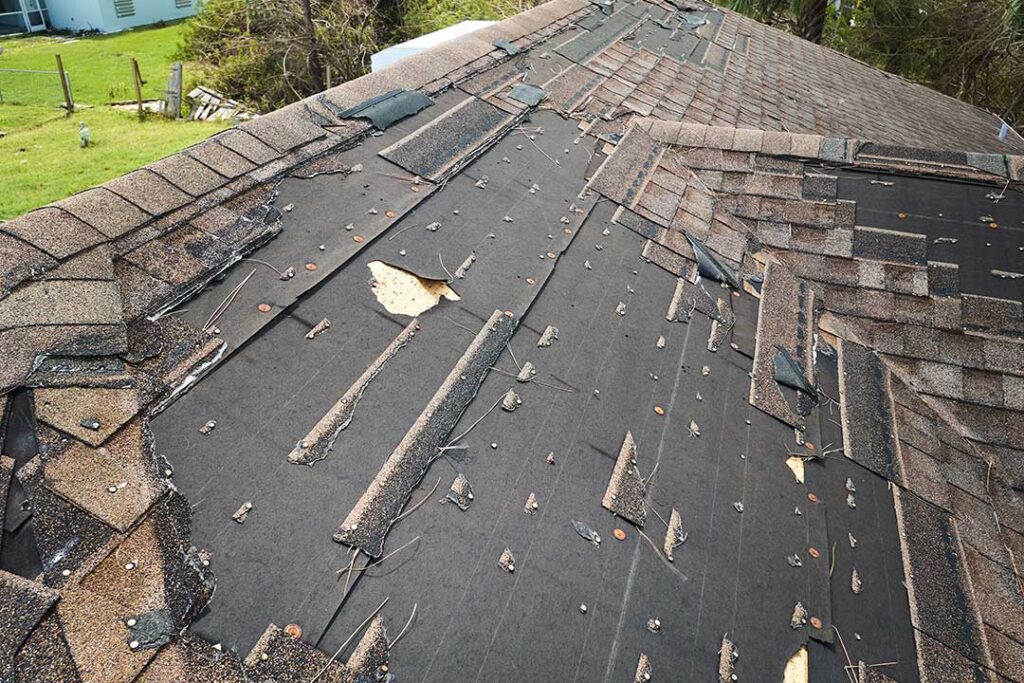
Yes—one of the most overlooked benefits of proper attic insulation is preventing ice dams, which are a significant issue in the city during harsh winters. Ice dams form when warm air from the house rises into an under-insulated attic, melting snow on the roof. That melted water can refreeze at the roof edge, causing water to back up under shingles and sometimes leak into ceilings or walls.
Sufficient insulation, paired with attic ventilation, keeps the roof surface colder and reduces the likelihood of snow melt patterns that trigger ice damming. Homeowners sometimes mistakenly blame faulty roofing materials for ice dams when the root problem is a warm attic.
What Signs Indicate Poor or Failing Attic Insulation?
Homeowners in East Rochester often wonder how to recognize insulation issues before they lead to higher bills or roof trouble. Common signs include:
- Noticeably uneven temperatures between floors
- Cold drafts in winter, especially in rooms just below the attic
- Indoor heat that quickly escapes on cold nights
- Excessive icicle formation on roof edges
- Higher than expected energy bills despite routine appliance and thermostat use
In homes experiencing these symptoms, checking attic insulation levels—after safely ensuring the area is accessible—is a logical first step.
Are There Insulation Types Especially Suited to Local Homes?
Attic insulation comes in several forms, but the most frequently used materials in area homes are fiberglass batts, blown-in cellulose, and spray foam.
- Fiberglass batts, easy to install, are common in straightforward attic layouts.
- Blown-in cellulose works well to fill odd-shaped or previously insulated attics.
- Spray foam, while more expensive, is valued for sealing air leaks and boosting overall efficiency.
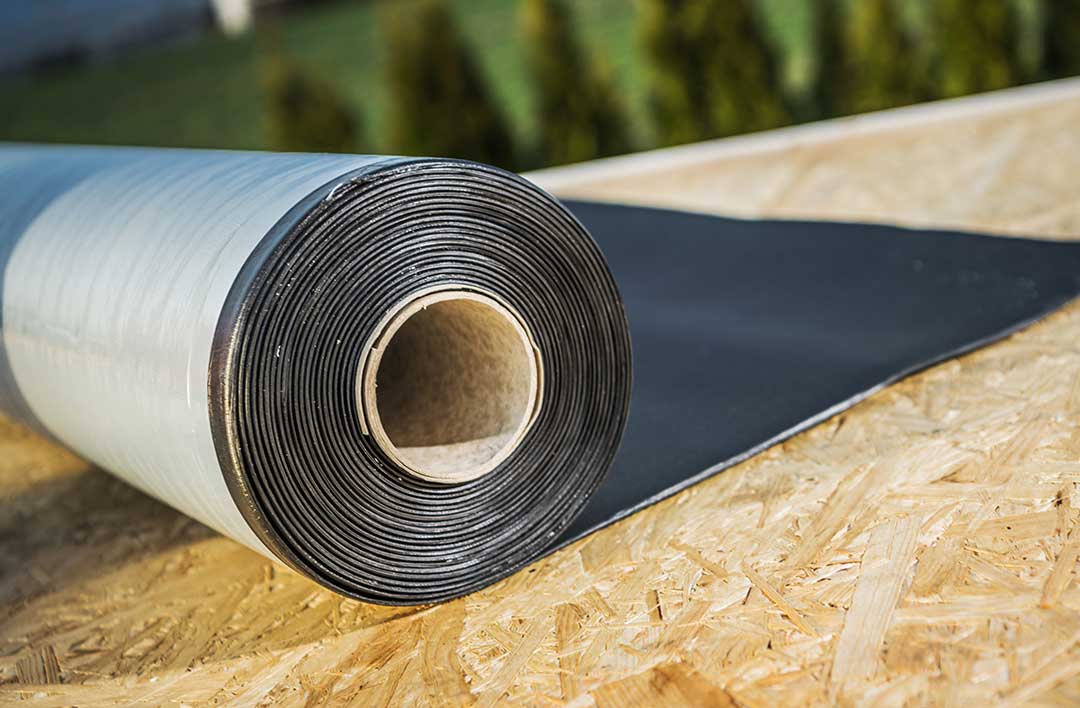
For East Rochester’s climate, local guidelines typically recommend an attic insulation level of R-49 or higher. R-value measures how well insulation resists heat flow—the higher the number, the greater the insulating power. Many older homes fall short of these modern recommendations.
How Can Moisture Issues Be Minimized in Attics?
A concern for any properly insulated attic is managing moisture. Insulation slows heat transfer, but if moisture from daily activities (showers, cooking, laundry) migrates up into an unvented attic, it can condense and lead to mold, wood rot, or insulation deterioration. Proper attic ventilation—through soffit vents, ridge vents, or gable vents—works hand-in-hand with insulation to prevent these issues.
Community members should also check that bathroom and kitchen vents discharge outdoors and not into the attic, which is a common oversight in several local homes.
What Are Common Attic Insulation Mistakes in the Area?
Some frequent missteps made by homeowners or during previous renovations include:
- Compressing insulation, which can reduce its effectiveness
- Adding new insulation over old, damp, or moldy materials
- Blocking soffit vents, restricting necessary airflow
- Leaving unsealed gaps around attic access hatches, pipes, or wiring
These mistakes can undermine the benefits of upgrading insulation and create new problems, even after investing time or money in improvements.
How Often Should Local Residents Check or Upgrade Attic Insulation?
For area households, it’s wise to visually inspect attic insulation every few years, especially if living in an older home or noticing higher energy use. Insulation doesn’t “wear out,” but it can settle, become compacted, be damaged by pests, or be bypassed by air leaks over time.
Weather extremes, ice damming, or visible roof leaks are times to inspect both insulation and attic ventilation. Safe access is always a priority; if unsure about hazards—like damaged wiring or animal infestations—residents should seek appropriate expertise for evaluation.
