

Why Are Roofing Terms Important to Know?
Understanding roofing language makes it easier for homeowners to communicate during repairs, replacements, or inspections. In East Rochester, wind, snow, and seasonal weather can lead to roof damage that requires routine attention. Knowing the right vocabulary empowers residents to spot issues, follow contractor explanations, and make informed decisions.
What Are the Main Parts of a Roof Called?
Roofs have multiple components that each play a role in protecting the home. These terms come up often during inspections or repairs:
- Shingles: Overlapping flat pieces, most commonly made of asphalt, wood, or metal, that form the outer waterproof layer.
- Decking (Sheathing): The flat surface, usually plywood or OSB, attached to the rafters and serves as the base for shingles.
- Underlayment: A water-resistant barrier between the decking and the shingles; in East Rochester, felt or synthetic underlayments are standard due to snow and rain.
- Flashing: Metal strips that seal and protect joints or valleys, preventing water intrusion around chimneys, vents, and where roof planes meet.
- Ridge: The highest point of the roof where two sections meet horizontally.
- Valley: The inside angle where two roof slopes meet, channeling water off the roof.
- Eaves: Lower edges overhanging the exterior walls, vital for directing runoff away from the foundation.
- Soffit: The underside of the eaves, often ventilated to allow airflow into the attic.
Local homes sometimes have particular features, like steep pitches for snow shedding or ice and water shields in vulnerable areas, which further illustrate the practical value of these terms.
What Is the Difference Between a Pitch and a Slope?
Both refer to the incline of a roof, but are measured differently.
- Pitch: Expressed as a ratio of the rise (vertical height) over the total span (width) of the roof.
- Slope: Usually denoted as "X-in-12," meaning how many inches the roof rises vertically for every 12 inches it runs horizontally.
In the community, roofs with steeper slopes are common because they help snow slide off more easily in winter, reducing the risk of damage.
What Does "Ventilation" Mean in Roofing?
Ventilation refers to systems designed to move air in and out of the attic. Proper ventilation helps control temperature and moisture under the roof, reducing ice dam risk (a frequent winter problem in this area) and extending shingle life.
- Ridge vents run along the peak.
- Soffit vents are installed in the eaves’ underside.
- Gable vents are located on the exterior walls near the peak.
Misunderstanding ventilation can lead to condensation problems, so knowing these terms helps ensure the attic remains dry and energy-efficient.
Why Is "Flashing" Frequently Mentioned in Repairs?
Flashing is essential wherever the roof surface meets a vertical structure—such as chimneys, skylights, or sidewalls. In East Rochester, freeze-thaw cycles and heavy rains make these areas especially vulnerable to leaks.
Homeowners sometimes think leaks start in the middle of the roof, but often, damaged or improperly installed flashing is the culprit. Identifying flashing as a problem area can speed up troubleshooting.
What Should Homeowners Know About "Ice Dams" and "Ice and Water Shield"?
Ice dams form when melting snow refreezes at the roof's edge, blocking water drainage and potentially causing interior leaks. They are a significant concern throughout East Rochester’s winters.
- Ice and water shield: A self-adhering, waterproof membrane installed under shingles, especially along eaves, valleys, and around penetrations.
- Use of this product is a common requirement for insurance claims and is often specified by local building codes.
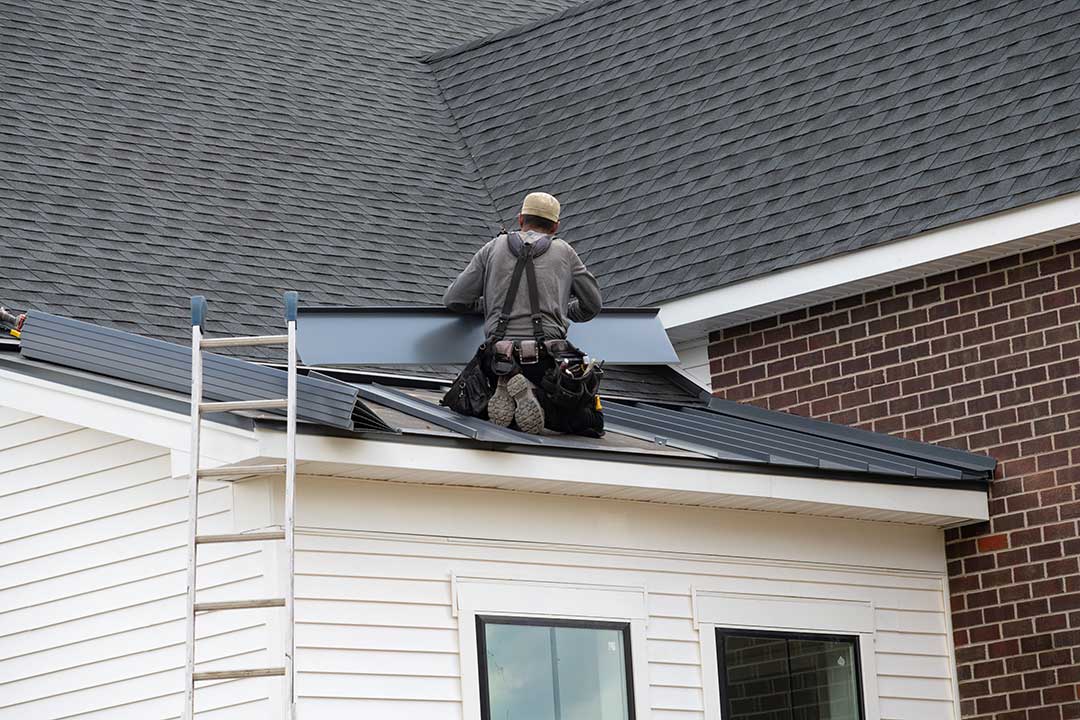
Recognizing these terms helps residents evaluate whether their roof is properly protected against seasonal hazards.
Are "Drip Edge" and "Gutter Apron" the Same Thing?
Both are forms of flashing at the roof’s edge, but they serve slightly different functions.
- Drip edge: Metal strips installed along eaves and rakes to direct water off the roof and away from the fascia and into gutters.
- Gutter apron: Similar, but its shape is designed to direct water specifically into gutters and prevent it from wicking under the shingles.
These parts are especially important in local neighborhoods where intense spring rain and fast snowmelt can lead to water running behind gutters if not managed properly.
What Is an "Overlay" Versus a "Tear-Off"?
These terms describe two methods for replacing old roofs:
- Overlay: Installing new shingles on top of existing ones. Faster and less expensive, but not always allowed by local code—especially if there are already two layers or if the deck is damaged.
- Tear-Off: Removing all old roofing material down to the decking before installing new layers. Though more labor-intensive, it reveals hidden damage and ensures a longer-lasting roof.
Understanding this distinction helps residents weigh their options for roof replacement—particularly after significant storm events.
How Does Local Climate Affect These Terms?
Many of these elements are particularly relevant in East Rochester due to:
- Heavy snowfall that requires strong decks, reliable ice and water shielding, and proper slope.
- Freeze-thaw cycles emphasizing the importance of attic ventilation and flashing integrity.
- Humidity and rainfall during warmer months demanding durable underlayment and water-shedding features.
Familiarity with roofing language helps residents speak knowledgeably with contractors, read inspection reports, and advocate for choices that make sense in the city’s climate.
